|

Ironwood Forest National Monument
Vegetation & regional scenery
Flora
Cacti
Saguaro and tree distribution
Natural history of the desert ironwood tree
Rare plants
Exotic plants
Human impacts
Chuckwalla and Desert Iguana
Desert Tortoise
Lesser Long-Nosed Bat
Geology
Image galleries by location:
Avra Valley
Aguirre Valley
Pan Quemado Mountains
Ragged Top
Roskruge Mountains
Samaniego Hills
Sawtooth Mountains
Silver Bell Mountains
Waterman Mountains
West Silver Bell Mountains
Image galleries by habitat:
Arizona Upland
Lower Colorado River Valley
Washes
Image galleries by plant types:
Ironwood Tree
Cacti
Crucifixion thorns
Misc. Flora
|
 |
 |
Biological Survey of Ironwood Forest National Monument
West Silver Bell Mountains gallery
Photographer: Mark Dimmitt
 |
 |
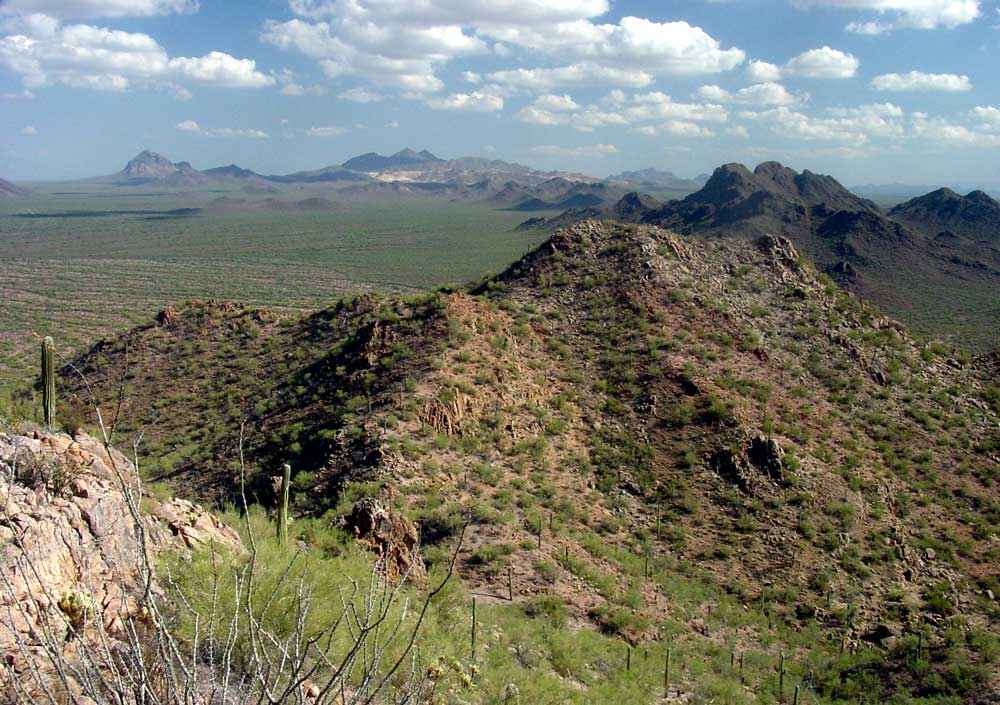
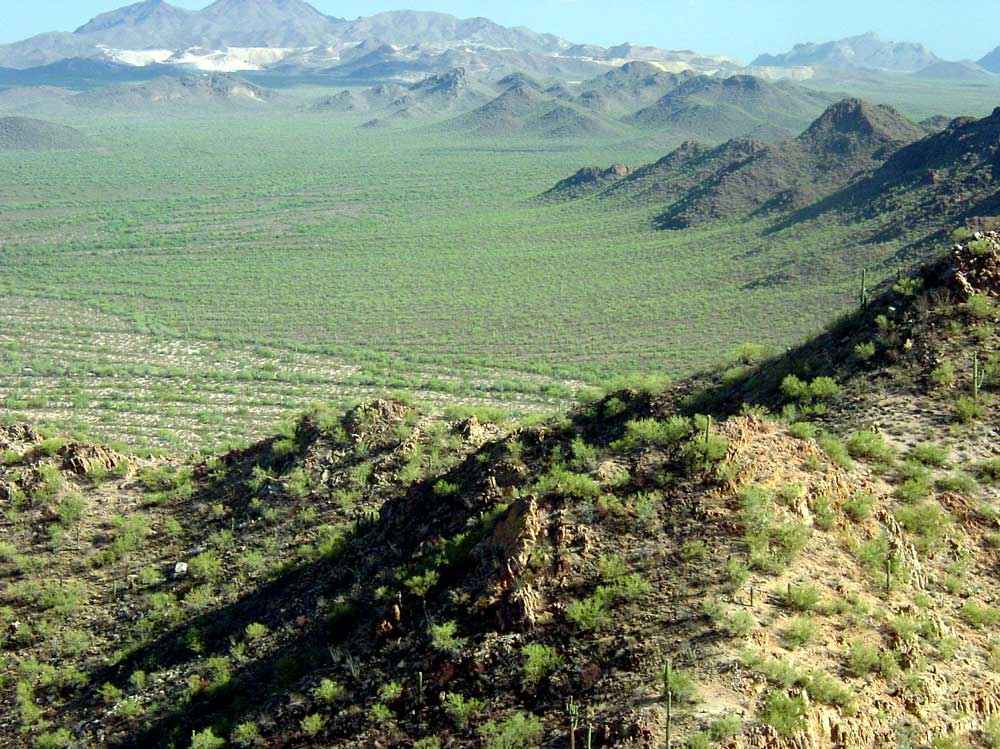
| Above: Views southeastward from Solo Peak at the west end of the West Silver Bell Mountains. The scar in the background is the ASARCO copper mine in the Silver Bell Mountains. The leftmost peak in the left image is Ragged Top. |

View northeast from the West Silver Bell Mountains to Malpais Hill (dark mass on right horizon) and the sharp Picacho Peak. Ironwood trees are rare in the West Silver Bells. |

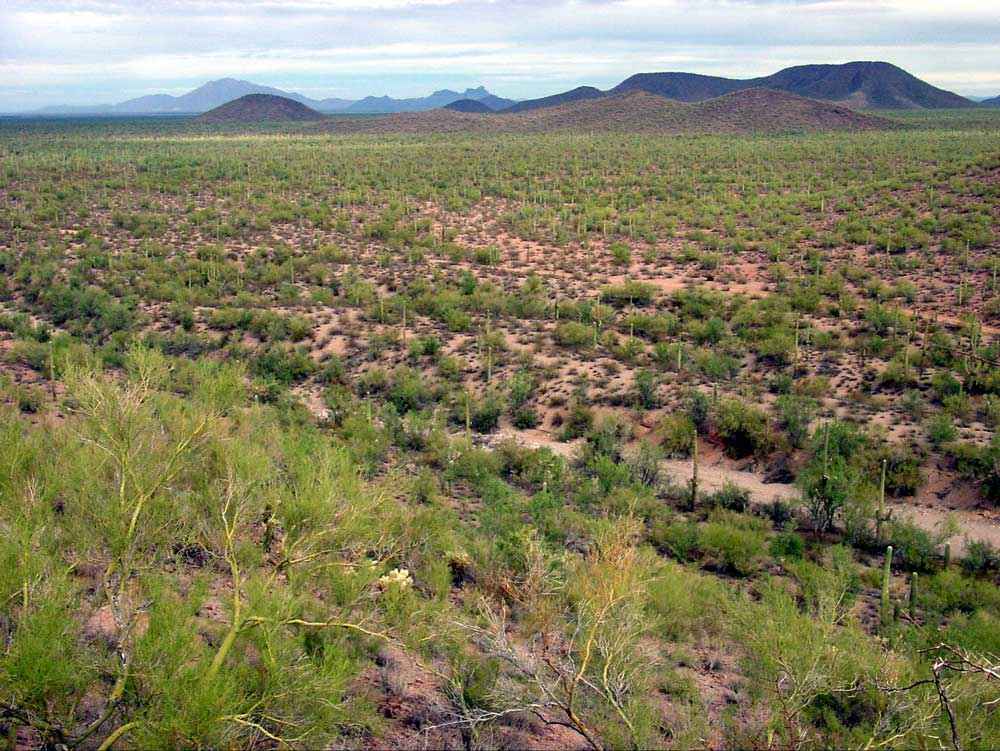
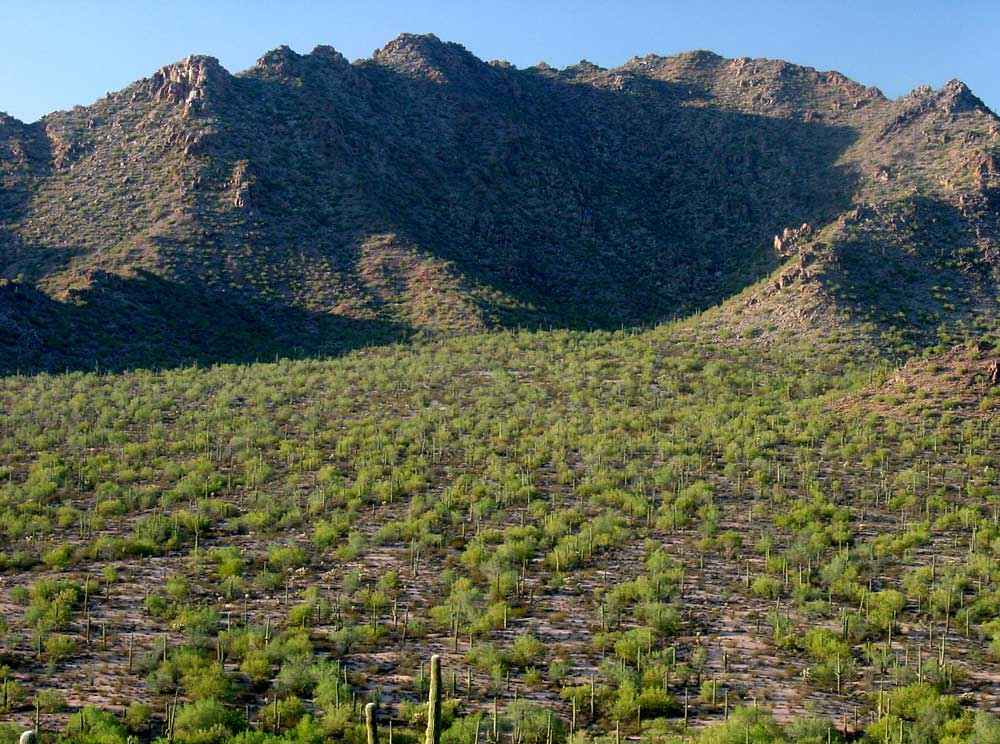
East bajada of Solo Peak. There are few trees here and no ironwoods. |
 |
 |
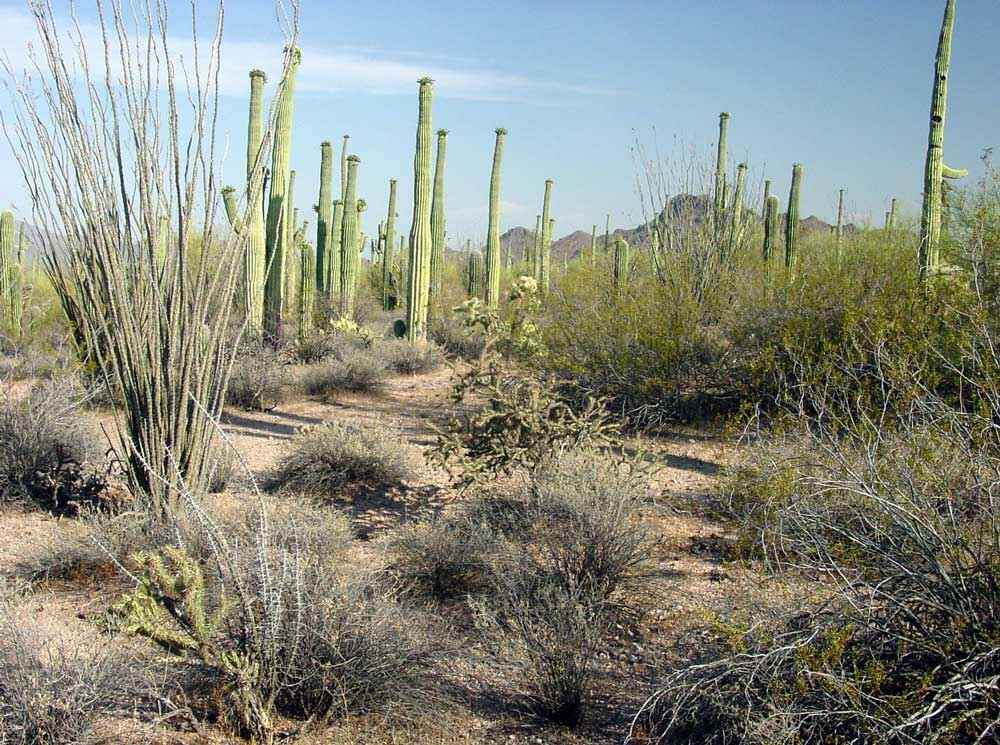
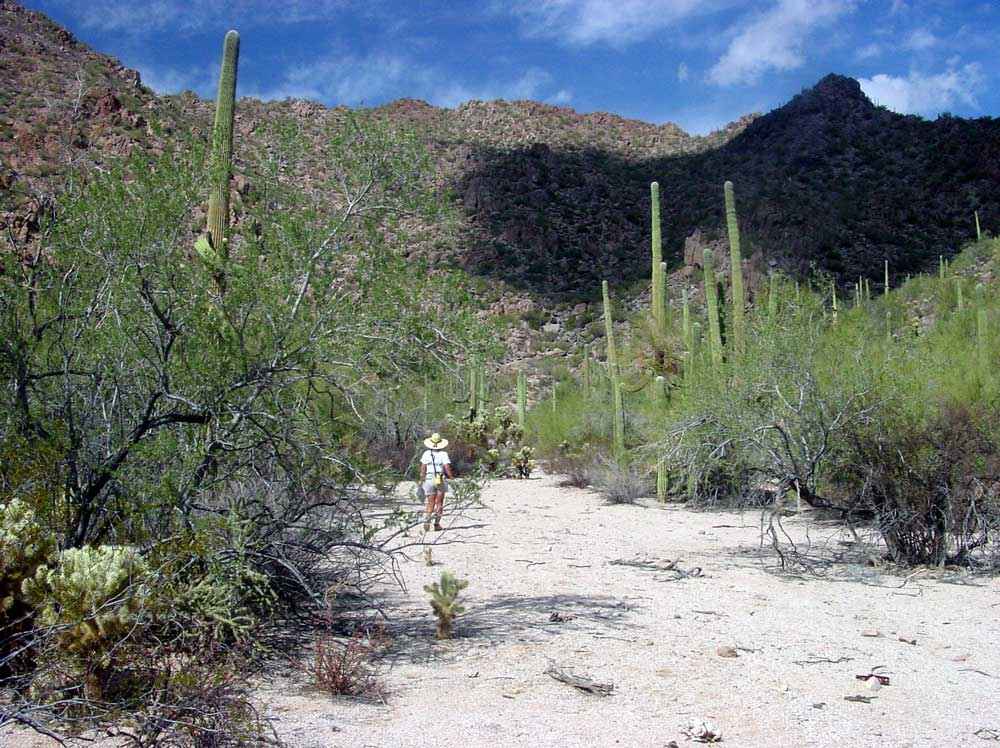
| Above: The south bajada of granitic Solo Peak supports good stands of ironwood trees (about a third of the trees in the left scene), in contrast to most of the West Silver Bell Mountains. |
 |
 |
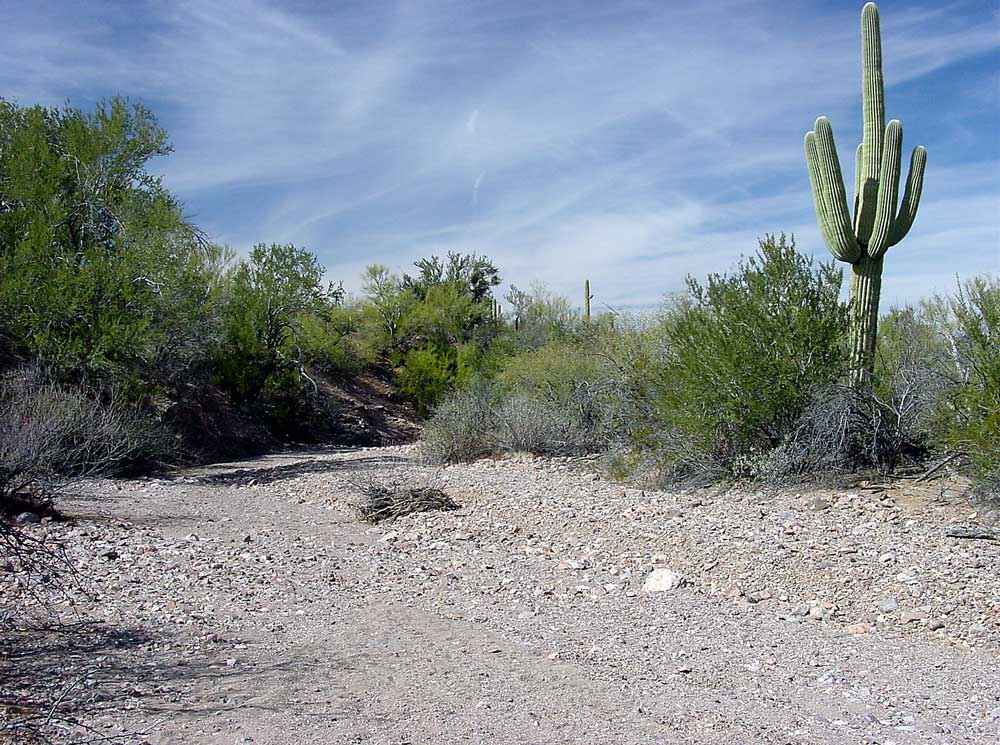
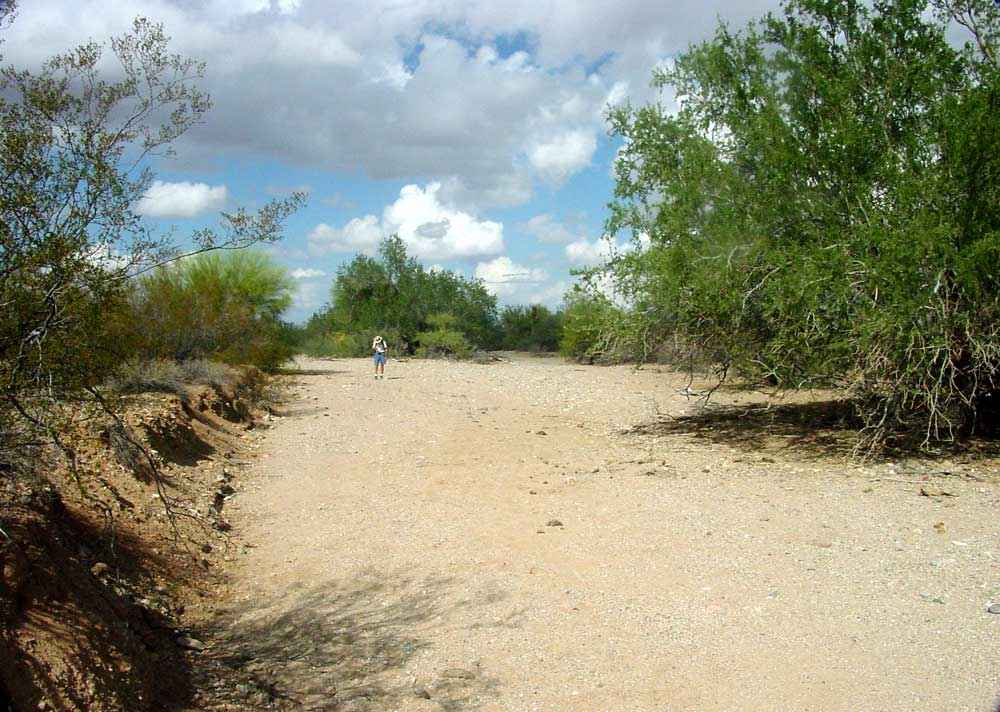
| Above: Two of the many washes draining the West Silver Bell Mountains. Tiro Wash (right) is one of the few that have ironwood trees. |

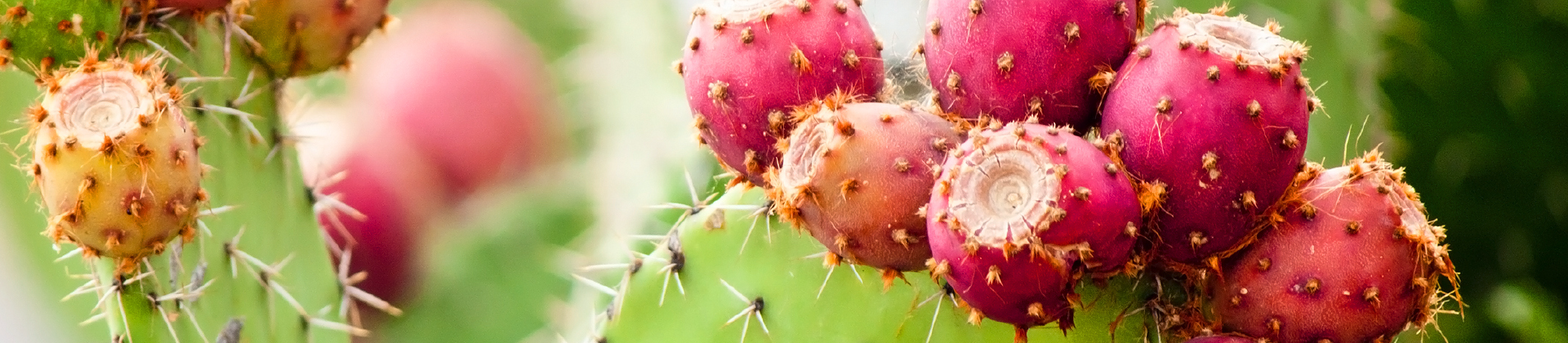
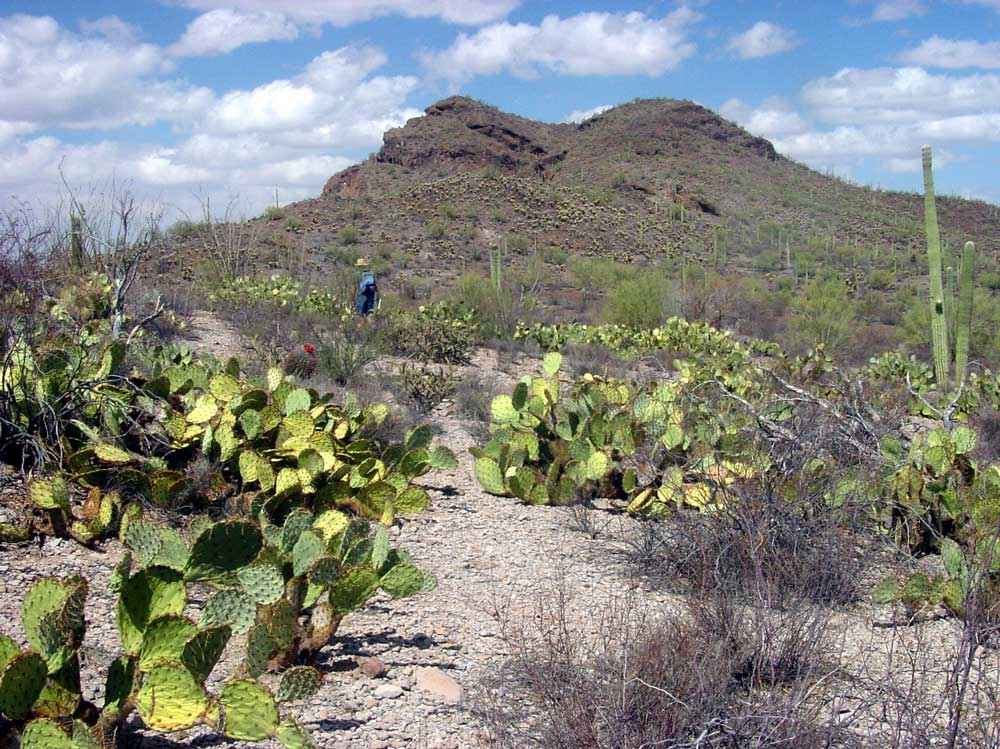
Though IFNM is rich in cactus species, few areas have dense populations of cacti other than saguaro. This prickly pear patch (Opuntia engelmannii) is therefore unusual. The geologically identical Tucson Mountains only 20 miles to the west have fewer cactus species but much denser populations. The slope in the background is teddy bear cholla (Cylindropuntia bigelovii); there are many small colonies of this species in the Monument. |
|
|
|