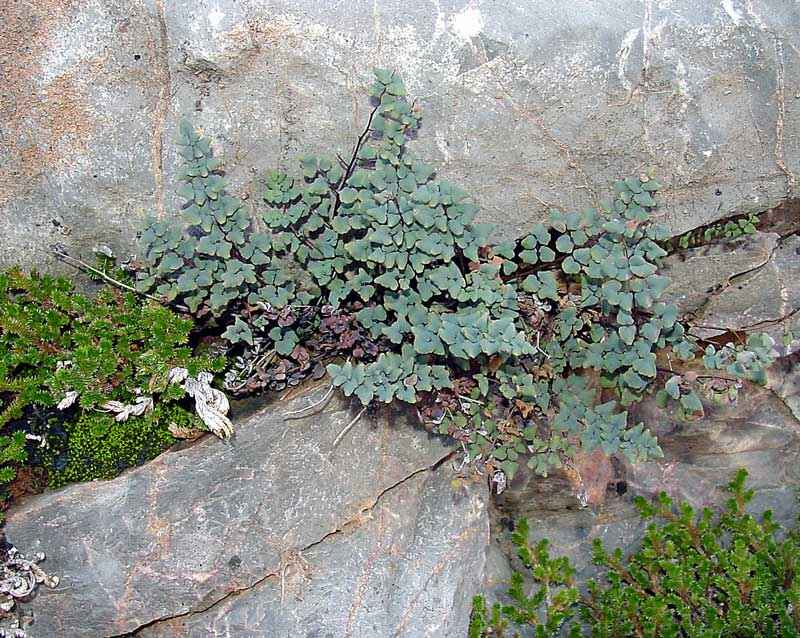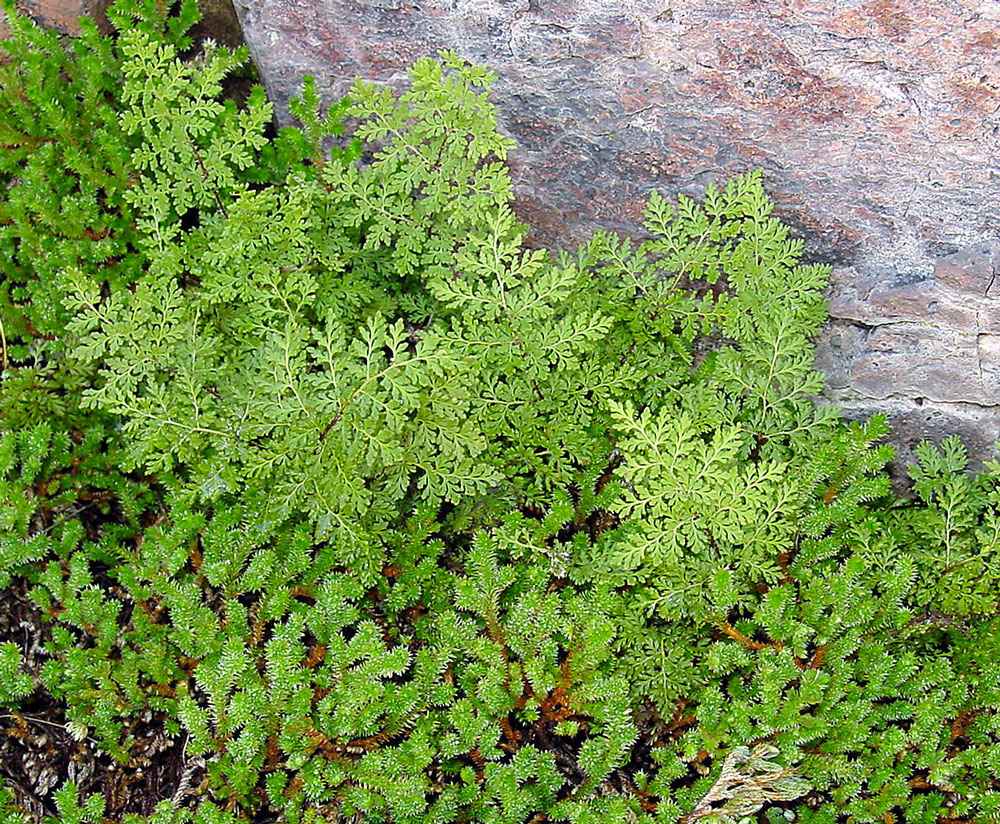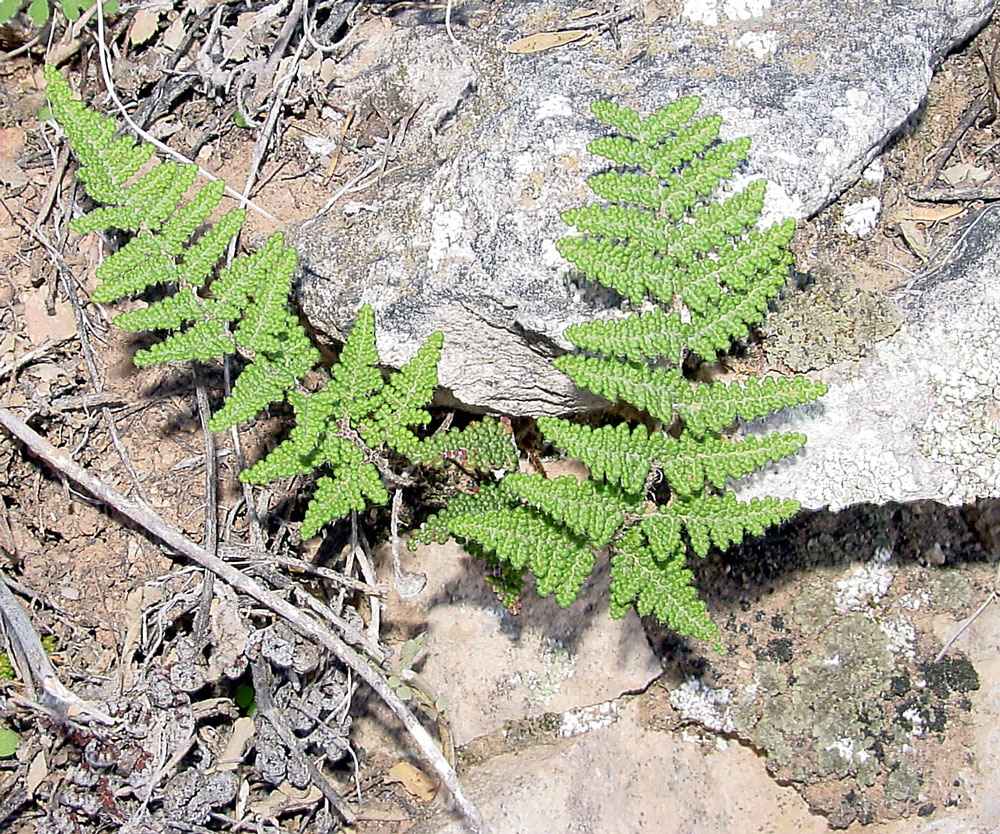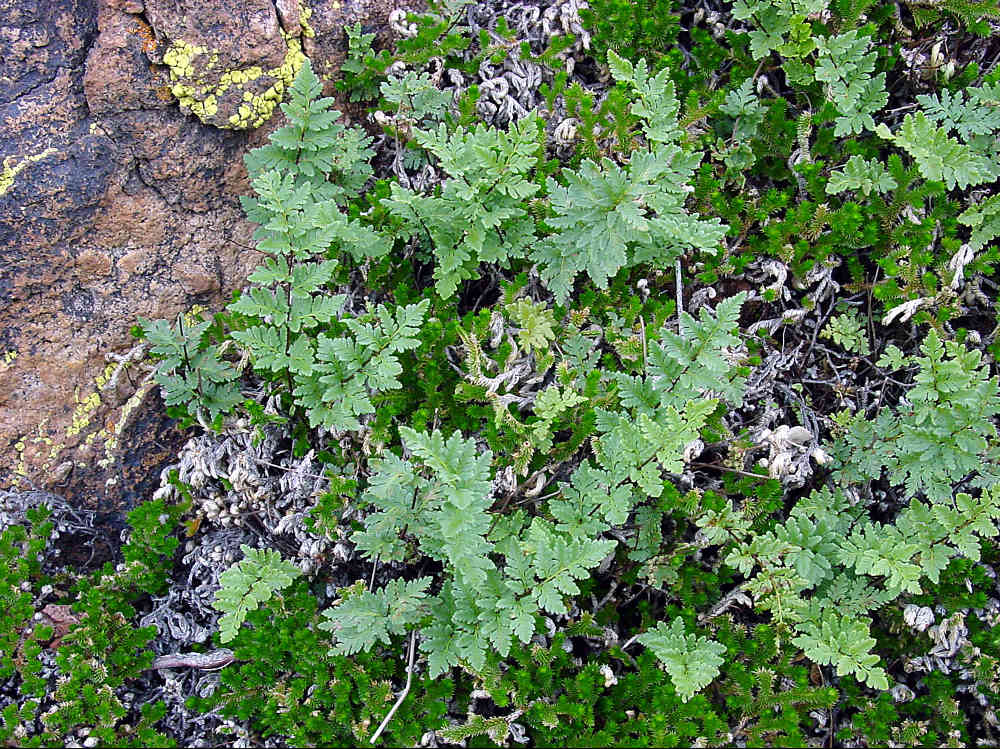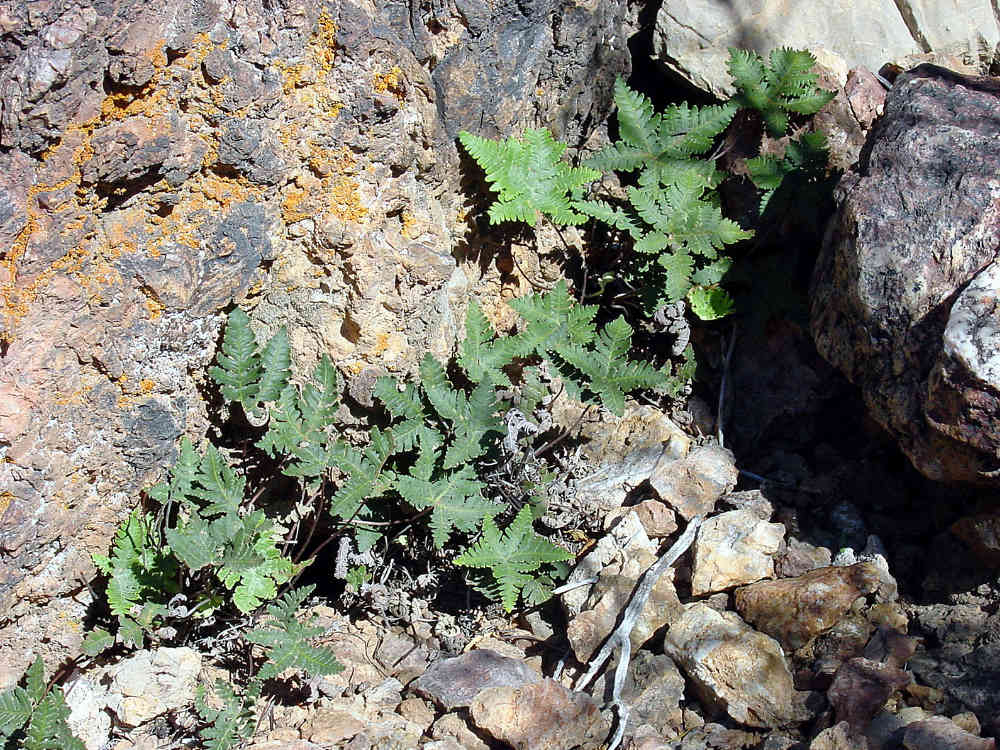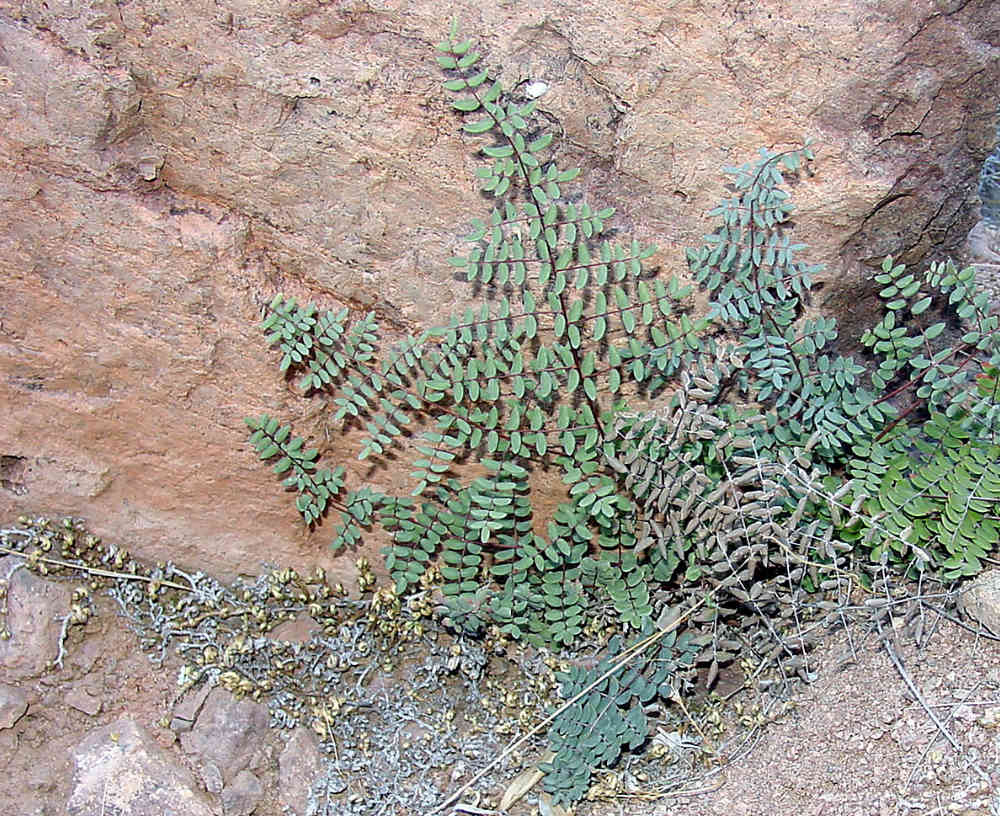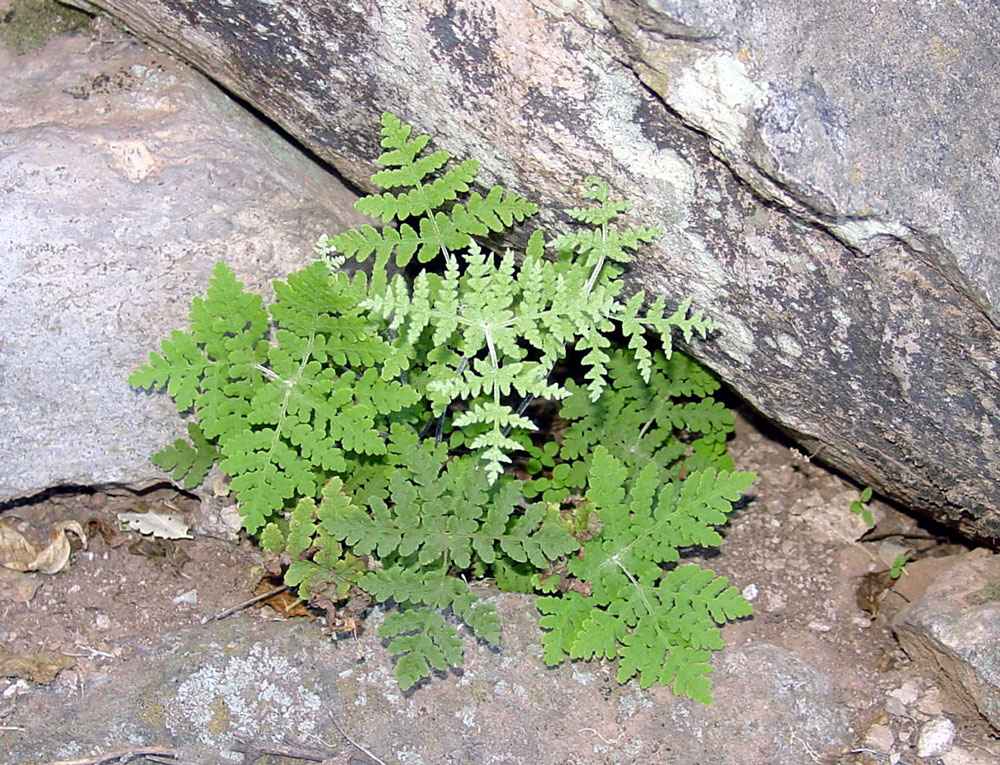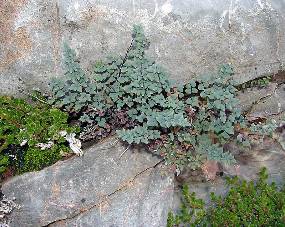
Argyrochosma jonesii (Jones' lipfern, formerly Notholaena j.) is rare in IFNM, where it is near the southern limit of its distribution. |
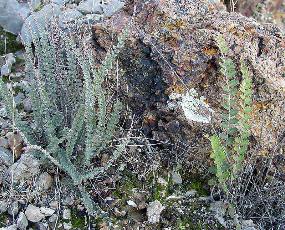
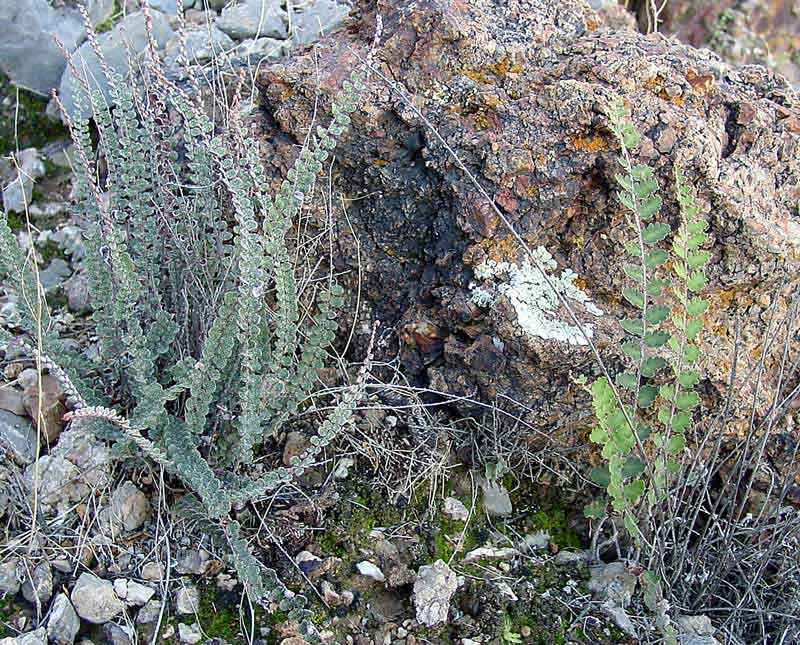
Astrolepis cochisensis (left) and A. sinuata are common and widespread in the desert. They were formerly in the genus Notholaena. A. cochisensis is usually found on lime-rich soils. |
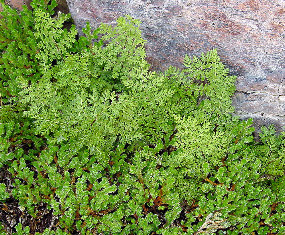
Cheilanthes pringlei (Pringle lipfern) was a candidate endangered species, but was rejected when it was found to be common in the Tucson Mountains and Sonora. |
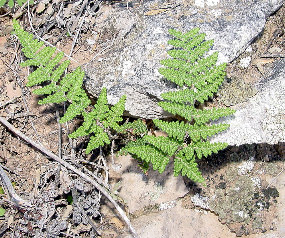
Cheilanthes yavapensis (Yavapai lipfern) is a recently described species commonly confused with C. wootonii. |
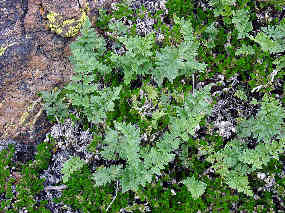
Cheilanthes wrightii (Wright lipfern) |
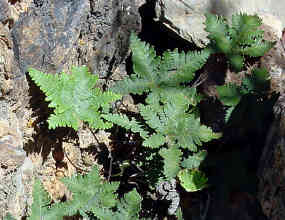
Notholaena standleyi (Standley cloakfern) is about as common and widespread as Astrolepis. |
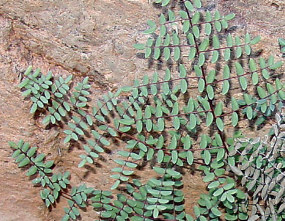
Pellaea truncata (cliff brake) is widespread. |
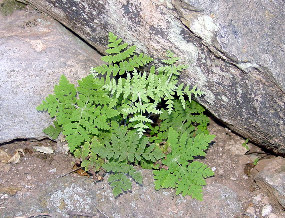
Pentagramma triangularis (golden fern, formerly Pityrogramma t.) is widespread. |
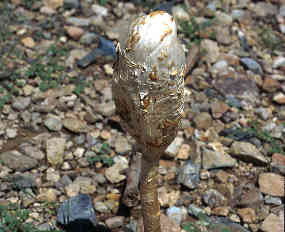
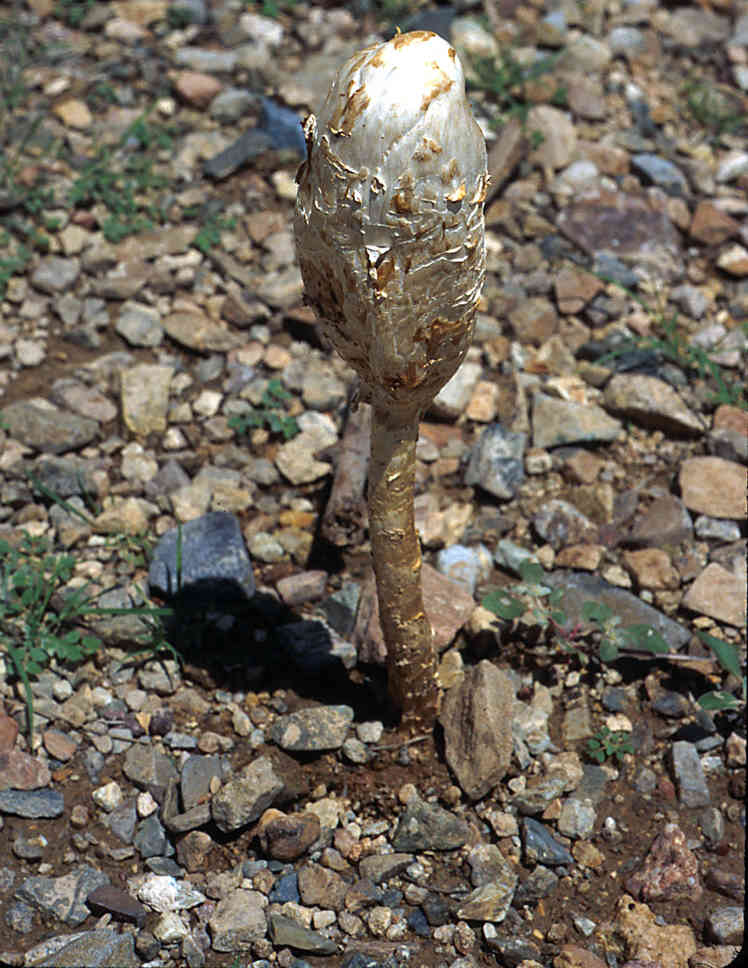
Most mushrooms are delicate and ephemeral, but this desert mushroom dries to a woody consistency and persists for a year or more. |
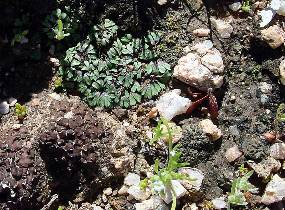
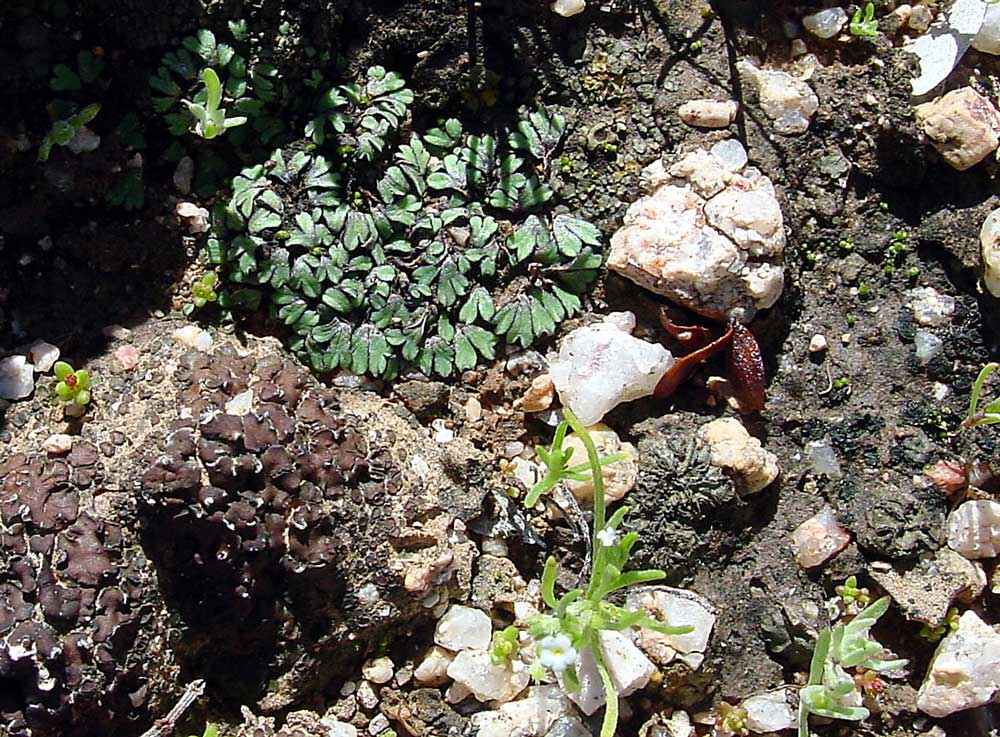
Biological soil crusts (cryptogamic crusts) are important components of arid ecosystems. See the caption under soil crusts. |
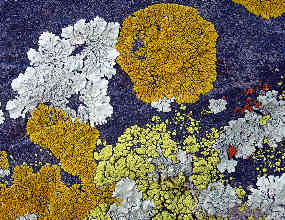
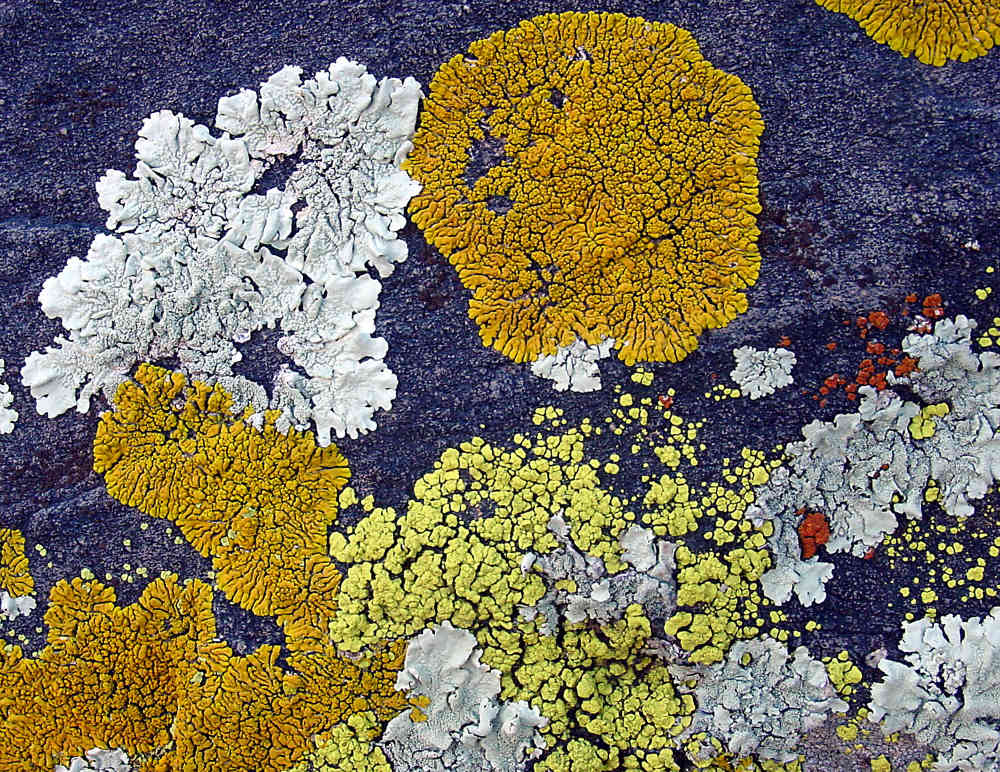
Lichens are actually not plants. They are a symbiotic pairing between an alga and a fungus or a cyanobacterium. All three types of organisms belong to different kingdoms. This community of several species of lichens is in the Sawtooth Mountains. |
|
 TICKETS
 DONATE